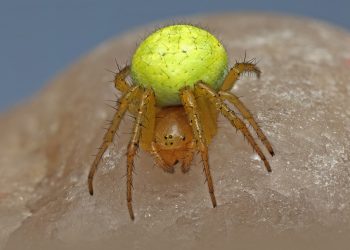
Unwanted Invaders: Effective Strategies for Managing Garden Pests
Gardening has always stood as a serene and fruitful hobby, bringing people closer to nature and providing a bounty of fresh produce. However, one of the more challenging aspects of maintaining a garden includes dealing with uninvited pests. These ‘unwanted invaders’ can wreak havoc on otherwise healthy plants. In this article, we’ll explore effective strategies and actionable steps to manage common garden pests, thus ensuring your garden remains bountiful and thriving.
Understanding Your Garden’s Ecosystem
Before launching a war on pests, it’s critical to understand the ecosystem of your garden. Each creature playing a role in your garden’s environment can be either beneficial or harmful to your plants. The key is identifying which pests are harmful and understanding their behaviors and patterns.
Common Garden Pests
Some of the most commonly encountered garden pests include aphids, slugs, snails, Japanese beetles, and the cabbage worm. These pests not only cause visible damage to plants but can also lead to long-term agricultural issues if not appropriately managed.
Organic and Chemical-Free Pest Control Strategies
Many gardeners prefer to avoid chemicals, opting instead for organic and natural methods to deal with pests. These methods can be highly effective and are safer for both people and the environment.
Physical Barriers
Physical barriers such as garden netting or row covers are excellent for protecting plants from flying pests and larger critters like birds and rabbits. These tools prevent pests from reaching the plants while still allowing light and air to pass through.
Biological Control
Introducing natural predators into your garden, such as ladybugs to combat aphids, can help control pest populations naturally. Biological controls provide a dynamic way to balance your garden’s ecosystem without external chemicals.
DIY Natural Pesticides
Homemade pesticides like neem oil sprays or garlic and chilli concoctions can deter pests. These solutions often repel pests without killing them, a gentler approach that respects nature’s balance.
Integrated Pest Management (IPM)
IPM is a sustainable approach to managing pests by combining biological, cultural, physical, and chemical tools in a way that minimizes economic, health, and environmental risks.
Monitoring and Identification
Regular monitoring of your garden will help you apply IPM effectively. Early detection of pests is crucial. Use tools like pheromone traps or simply inspect your plants regularly to identify pests early.
Cultural Practices
Adjusting planting times or using crop rotation can reduce pest infestations. Healthy soil and proper plant spacing can also prevent pests, as stressed plants are more susceptible to diseases and pest attacks.
Chemical Pest Control: When and How to Use It
In cases where natural methods are insufficient, it may be necessary to use chemical pesticides. However, these should be used as a last resort and applied responsibly to minimize potential negative impacts.
Selecting the Right Chemical Pesticides
Choose pesticides that are specific to your pest problem and follow the recommended guidelines closely. It’s also wise to choose products that have the least impact on non-target organisms and the environment.
Application Tips
When applying pesticides, do so during calm, dry days to prevent drift, and always wear protective gear to safeguard your health. Follow label directions and properly dispose of any leftover chemicals.
Advanced Pest Management Technologies
Technological advancements have led to more sophisticated solutions in pest management, including genetically modified organisms (GMOs) that are resistant to certain pests and digital monitoring systems that provide real-time data on pest levels.
Utilization of GMOs
While controversial, GMOs can provide an alternative to chemical sprays by developing plants that are inherently pest-resistant. This approach is typically managed and evaluated by large-scale agricultural operations.
Smart Gardening Gadgets
Emerging technologies like smart traps and garden monitoring apps help gardeners track, identify, and manage pests more efficiently. These tools often integrate with your smartphone to offer timely advice and alerts.
Conclusion
Effectively managing garden pests requires a balanced approach, respecting both the environment and the productivity of your garden. By understanding pests and integrating various management strategies, both traditional and innovative, you can protect your garden and enjoy a successful harvest. Remember, the best pest management strategy is the one that is preventive, effective, and least disruptive to the ecosystem.