




Natural vs. Chemical Bug Repellents: Evaluating Safety and Effectiveness
When it comes to choosing bug repellents, the debate between natural and chemical options is ongoing. Both choices have proponents and critics, making it essential for consumers to understand the potential risks and benefits of each. This article delves into the safety and effectiveness of natural and chemical bug repellents, offering insights to help you make an informed choice.
Understanding Chemical Bug Repellents
Chemical bug repellents, such as those containing DEET (N,N-diethyl-meta-toluamide), picaridin, or permethrin, are known for their effectiveness. However, concerns about their safety profile, especially with prolonged exposure, continue to surface.
1. Safety Concerns with Chemical Repellents
While DEET has been approved by the Environmental Protection Agency (EPA), issues such as skin irritation or more severe neurological effects in rare cases raise consumer concerns. The CDC recommends using concentrations of DEET up to 30% in products, suggesting a balance between effectiveness and safety.
2. Environmental Impact
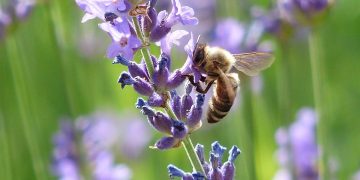
Chemical repellents can also have a negative impact on wildlife and ecosystems. Permethrin, for example, is highly toxic to aquatic life and bees. These environmental factors are crucial for consumers who are environmentally conscious.
Natural Bug Repellents: An Alternative Approach
Natural bug repellents often include ingredients like essential oils—eucalyptus, lemon grass, peppermint, and citronella being among the most common. These options are marketed as safer and more environmentally friendly than their chemical counterparts.
1. Evaluating the Effectiveness of Natural Repellents
Studies have shown that some natural repellents can provide effective protection against bugs, though generally for shorter durations compared to DEET-based products. Products containing oil of lemon eucalyptus, for instance, have been found to offer reasonable protection for up to six hours against mosquitoes.
2. Potential Health Benefits
In addition to being bug deterrents, certain natural ingredients like essential oils can offer other health benefits, including anti-inflammatory and antibacterial properties. However, it’s important to note that natural does not automatically mean safe, and some individuals may experience allergies or skin sensitivities to these essential oils.
Choosing the Right Bug Repellent
Choosing between natural and chemical bug repellents depends on several factors including the specific situation, bug threat level, and individual health considerations.
1. Consider your Environment
For those spending time in areas with a high risk of diseases like malaria or Zika virus, a powerful chemical repellent might be necessary. In contrast, for everyday use in low-risk areas, a natural repellent could be sufficient and preferable.
2. User Safety and Health Conditions
Consider any existing health conditions that might influence your choice. For instance, pregnant women or individuals with sensitive skin might opt for natural repellents to avoid potential adverse effects from chemicals.
FAQs about Natural and Chemical Bug Repellents
Are natural bug repellents as effective as chemical ones?
Natural repellents can be effective but usually require more frequent application. Their duration and spectrum of activity often fall short compared to DEET-based repellents.
Is DEET safe for children?
The American Academy of Pediatrics recommends that products containing DEET should not be used on infants younger than two months old. For older children, products with 10-30% DEET are preferred.
Can I make my own natural bug repellent?
Yes, homemade repellents using essential oils like citronella or lavender can be effective. However, it’s crucial to dilute these properly to avoid skin irritation. Consulting with a healthcare provider before use is advisable.
Conclusion: Balancing Safety and Effectiveness
Choosing the right bug repellent involves balancing safety concerns with effectiveness. Considering the specific conditions and personal health factors is crucial. Whether you choose a natural or chemical repellent, make sure it meets your needs while minimizing health risks.