Organic Solutions for Pest Control: Harnessing Nature’s Remedies
In the quest for maintaining lush gardens and healthy homes, dealing with pests is inevitable. However, the gravitation toward greener, safer, and healthier pest management strategies has significantly increased the demand for organic solutions. Organic pest control not only prioritizes the health of the environment but also ensures the safety of households, including pets and children. This focus on organic pest control methods aids in preserving beneficial organisms while targeting only the unwanted pests.
The Basis of Organic Pest Control
Organic pest control operates on the principle of using natural substances and biological mechanisms to manage pest populations. This can involve biological agents, plant-based oils, or other naturally occurring extracts that deter or eliminate pests without the harsh effects of traditional chemical pesticides.
Advantages of Organic Pest Control
- Environmental Protection: Reduces pollution and contamination of our ecosystems.
- Human and Animal Safety: Minimizes health risks related to toxins, making it safer for residential applications.
- Support for Biodiversity: Helps to preserve beneficial species which contribute to biological control and pollination.
Common Organic Remedies for Pest Control
Understanding the different types of organic remedies available can empower homeowners and gardeners to make informed choices about pest control. Here are some popular, effective options:
Neem Oil
Extracted from the seeds of the neem tree, neem oil is prized for its insecticidal and medicinal properties. It effectively controls pests like aphids, mites, and whiteflies without harming beneficial insects such as bees or ladybugs. Neem oil is also a prominent fungicide which controls molds and mildews.
Diatomaceous Earth
Made from the fossilized remains of algae, diatomaceous earth (DE) is a fine powder that is lethal to insects. It works by desiccating the pest’s exoskeleton upon contact, leading to dehydration and death. DE is particularly useful against pests like ants, fleas, and bedbugs.
Essential Oils
Solutions containing essential oils like peppermint, lavender, or citrus act as strong repellents against a broad spectrum of pests. These oils not only keep pests at bay but also provide a pleasant aroma, doubling as air fresheners.
Integrating Beneficial Insects
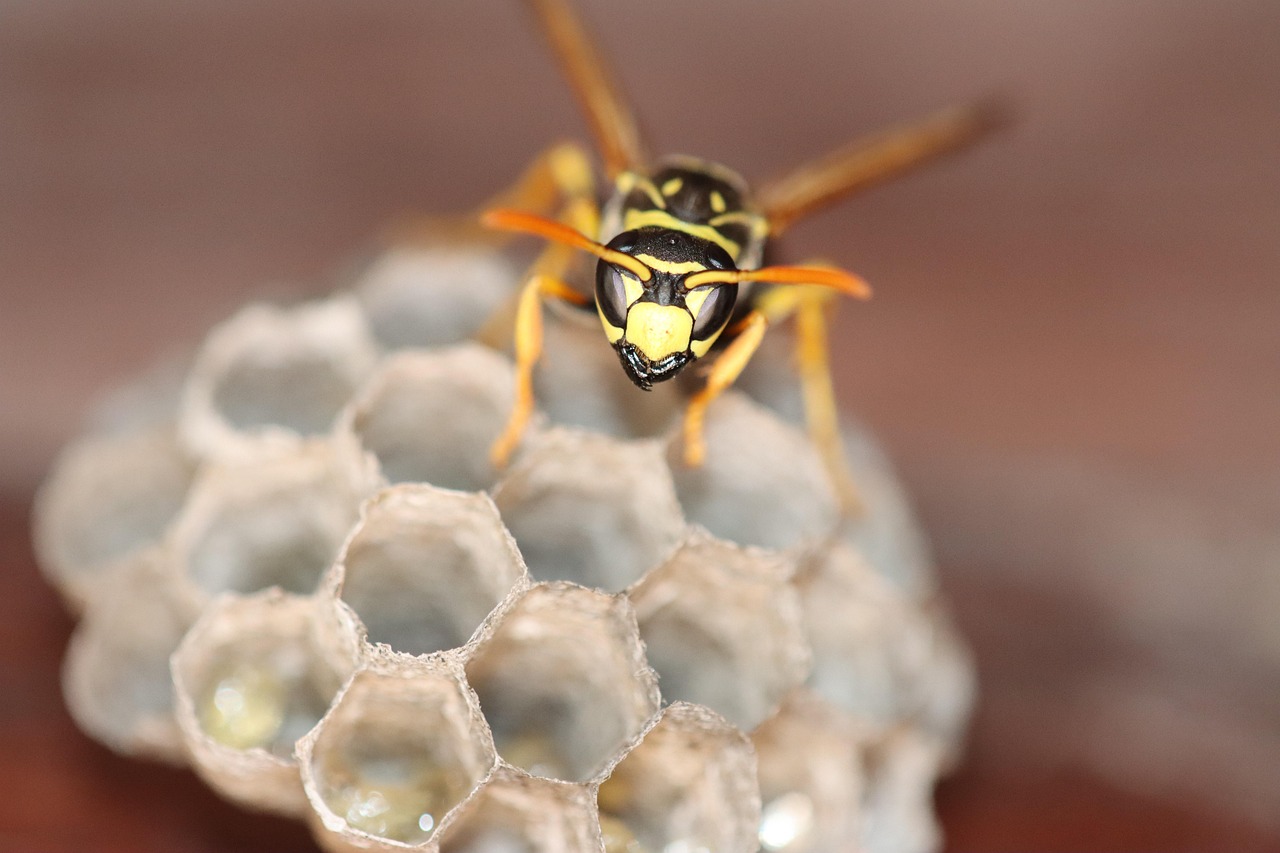
Beyond substances, organic pest control also encompasses the use of beneficial insects that predate on harmful pests. Introducing species such as ladybugs, lacewings, and predatory wasps into your environment helps control the population of detrimental pests naturally.
Creating a Friendly Habitat
Attracting and sustaining beneficial insects involves establishing an environment that supports their lifecycle. Planting nectar-rich flowers and providing shelters can create a welcoming habitat for these allies.
Frequently Asked Questions About Organic Pest Control
Is Organic Pest Control as Effective as Chemical Methods?
While organic methods may act slower than chemical treatments, they offer equivalent success rates over time. Their sustainable nature prevents the development of resistance among pests, which is a common issue with synthetic pesticides.
Are There Any Risks Associated with Organic Pest Control?
Although much safer, certain organic compounds can still pose risks if misused. It is crucial to follow application instructions and ensure that any substances used are indeed safe for your specific application area.
How Cost-Effective is Organic Pest Control?
Initial costs may be higher than conventional pesticides, but the long-term savings in environmental health and reduced need for repeat applications often balance the scales. Investing in organic pest control enhances ecological resilience and public health.
Conclusion
Organic solutions for pest control empower individuals to protect their homes and gardens in a manner that aligns with eco-friendly practices. By harnessing nature’s remedies, you contribute to a healthier planet, mitigate the adverse effects of chemical interventions, and support ecological balance. This holistic approach not only addresses immediate pest issues but also fosters a sustainable living environment for future generations.
As awareness and technology around organic options continue to grow, the possibilities for safe, effective pest management expand. By choosing organic solutions, you’re part of a global movement towards sustainable living that prizes nature’s balance above quick, chemical fixes.
Whether you’re a seasoned gardener or a homeowner looking to protect your space, organic pest control offers a practical, proactive approach to maintaining pest-free environments without compromising health or harmony.