




Uninvited Guests: How to Manage Common Garden Pests in Your Backyard
Gardening is a peaceful, rewarding activity, but it can quickly turn frustrating when pests invade, turning lush greenery into their personal dining room. Dealing with these uninvited guests is crucial not only to preserve your beautiful backyard but also to ensure the health and productivity of your plants. This comprehensive guide will help you identify, prevent, and manage common garden pests, using effective and often environmentally friendly methods.
Identifying Common Garden Pests
Before taking any action, it’s important to identify which pests are making themselves at home in your garden. Some of the most common culprits include:
- Aphids: Tiny, but destructive, these pests can be green, yellow, red, or black and love to suck the sap from plants, causing leaves to distort and yellow.
- Slugs and Snails: These slimy creatures are famous for eating large, irregular shaped holes in leaves, mostly during the night.
- Japanese Beetles: Easily recognizable by their metallic bodies, these beetles devour leaves, flowers, and overripe or wounded fruit.
- Spider Mites: These tiny arachnids cause yellow, speckled leaves, and can rapidly infest a plant.
- Caterpillars: The larvae stage of butterflies and moths, these pests are voracious leaf-eaters.
Identifying the specific pests you are dealing with is key to choosing the right treatment method and protecting your garden effectively.
Preventive Measures for Garden Pest Control
Prevention is often better than cure in the world of gardening. Here are some strategies to help keep pests at bay:
- Maintain Healthy Soil: Healthy plants are less likely to succumb to pests. Enriching your soil with compost, mulching, and rotating crops can significantly bolster plant health.
- Choose Resistant Varieties: Some plant varieties are bred to be more resistant to pests. Opting for these can save a lot of trouble.
- Create Barriers: Physical barriers such as row covers or copper tapes for slugs can prevent pests from ever reaching your plants.
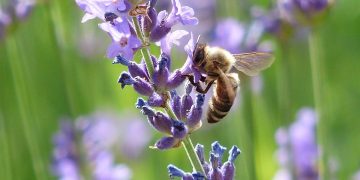
- Encourage Beneficial Insects: Insects like ladybugs, lacewings, and predatory wasps are natural predators to many common pests. Attracting these can help maintain a balanced ecosystem.
Taking these preventive steps can reduce the need for more aggressive treatments down the line and protect your garden’s biodiversity.
Organic Solutions to Garden Pest Problems
If prevention falls short, there are numerous environmentally friendly ways to tackle pest issues:
- Neem Oil: A natural pesticide, neem oil is effective against a wide variety of pests. It disrupts the life cycle of insects at all stages, acting as an anti-feedant, hormone disruptor, and growth regulator.
- Insecticidal Soaps: These can be used to handle infestations of aphids, spider mites, and other soft-bodied insects.
- Diatomaceous Earth: Made from the fossilized remains of tiny aquatic organisms, it causes dehydration in insects and is great for dealing with slugs and beetles.
- Homemade Sprays: Garlic, chili, or vinegar sprays can deter many pests. However, they should be used with caution as they can also affect beneficial insects.
These methods are not only effective but also ensure you maintain an eco-friendly approach in caring for your garden.
Chemical Controls: When to Use Them
While organic methods are preferable, severe infestations might require chemical interventions. It’s important to use these products judiciously:
- Selectivity: Choose pesticides that are targeted, affecting only the pests and not the beneficial organisms.
- Timing: Applying chemicals at the right time can maximize their effectiveness and minimize usage.
- Application: Follow label instructions carefully to reduce health risks and environmental impact.
Chemical controls should always be seen as a last resort, used only after all other methods have been exhausted.
Frequently Asked Questions About Garden Pests
How can I naturally attract beneficial insects to my garden?
Planting a diverse mix of flowers, maintaining habitat for insect predators, and using pesticides sparingly are all effective ways to attract beneficial insects.
Are there any plants that repel garden pests?
Yes, plants such as marigolds, lavender, and chrysanthemums are known for their pest-repellent properties and can be interplanted in a vegetable garden as a form of companion planting.
Can overwatering influence pest infestation?
Yes, overly damp conditions can attract slugs and fungal pests. Balancing water requirements is crucial in avoiding such problems.
Concluding Thoughts on Managing Garden Pests
Effective garden pest management is not simply about eradicating pests but creating a balanced, healthy ecosystem where they are less likely to cause significant damage. By combining prevention with targeted interventions, you can enjoy a vibrant, thriving garden without any unwelcome guests.